“And folks, let’s be honest. Sturgeon was an optimist. Way more than 90% of code is crap.” – Al viro
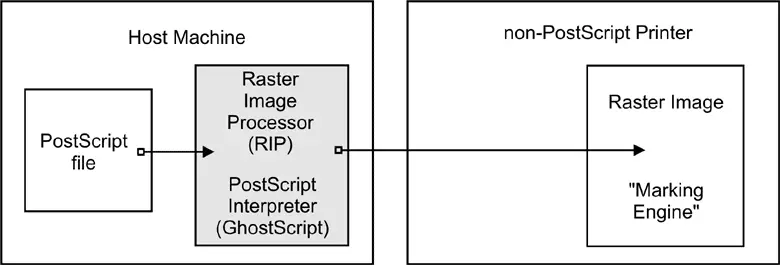
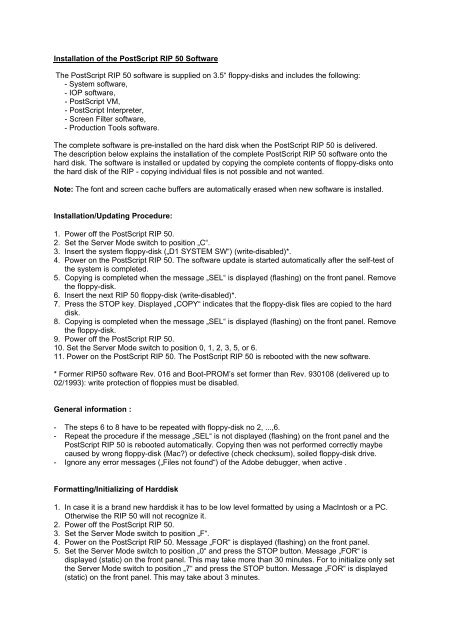
PostScript Level 2 was introduced in 1991, and included several improvements: improved speed and reliability, support for in-RIP separations, image decompression (for example, JPEG images could be rendered by a PostScript program), support for composite fonts, and the form mechanism for caching reusable content. The second brainchild of Handmade Software Inc, the Image Alchemy PS (An abbreviated form for Post Scrip) comes up with the PostScript Level 2 RIP. Contact our support team! Here are all the information you need to know in case you encounter a technical problem. The software comes in five levels from a Basic edition for simple sign design and vinyl cutting, all the way through to an Architect edition which is a full-featured graphics software package packed with design, layout and cutting features. SignMaster is OEM software and is not sold separately. A RIP translates the arcs and curves of PostScript code into a matrix of dots that can be printed by the custom printing vendor’s platesetter or imagesetter.
“There are two ways of constructing a software design: One way is to make it so simple that there are obviously no deficiencies and the other way is to make it so complicated that there are no obvious deficiencies.” – C.A.R. Hoare, The 1980 ACM Turing Award Lecture
Free Postscript Rip Software
“One of my most productive days was throwing away 1000 lines of code.” – Ken Thompson
“..At first I hoped that such a technically unsound project would collapse but Isoon realized it was doomed to success. Almost anything in software can beimplemented, sold, and even used given enough determination. There is nothing amere scientist can say that will stand against the flood of a hundred milliondollars. But there is one quality that cannot be purchased in this way -andthat is reliability. The price of reliability is the pursuit of the utmostsimplicity. It is a price which the very rich find most hard to pay.” – C.A.R. Hoare
“It’s a curious thing about our industry: not only do we not learn from our mistakes, we also don’t learn from our successes.” – Keith Braithwaite
- More software and programming quotes.
Harmful stuff
This is a work in progress, much is missing.
| Harmful things | Less harmful alternatives |
|---|---|
| SGML, XML, YAML. | JSON, CSV, ndb(6), plain(UTF-8) text. |
| NFS, SMB, AFS, WebDAV. | 9p. |
| C++, Java, Vala, D, Python, Ruby. | C, Go, Limbo. |
| pthreads (PoSix threads). | CSP-style concurrency: Go, libthread, libtask, Limbo, Erlang, ... |
| Perl, Ruby. | rc, awk. |
| PCRE | Structural Regular Expressions or plain classic/extended regexps (as used in awk, sed, grep, etc.). |
| Bash, tcsh, zsh. | rc, OpenBSD's pdksh, ash/dash. |
| GNU Coreutils. | Plan 9 from User Space. |
| GNU Screen. | tmux. |
| GNU info. | Man pages. |
| GCC. | 8c, tcc. |
| glibc. | musl, ucLibc, DietLibc. |
| GNU autoconf/automake, CMake, imake, scons, waf. | mk, or plain old portable makefiles. |
| Glib. | libc (see above), p9p's C libraries. |
| GTK, Qt, VxWindows. | Tk, textual interfaces. |
| Vim, Emacs, nano, Eclipse, ... | Acme, Sam, ed. |
| UTF-16, UTF-32, Latin-1, other encodings. | UTF-8. |
| iSCSI, FCoE. | AoE (ATA over Ethernet). |
| PAM (Pluggable Authentication Modules). | Factotum. |
| Jabber and XMPP. | IRC (for IM), STOMP (for general distributed messaging). |
| IMAP. | SMAP(Simple Mail Access Protocol). |
| SQL databases. | Tutorial D, pq, BigTable, plain old hierarchical filesystems. |
| Subversion, aka svn. | Git, Mercurial (aka hg); hell, even CVS or plain old tarballs would be better than svn. |
| FreeBSD, NetBSD, Solaris. | OpenBSD. |
| Apache, lighttpd. | thttpd, OpenBSD's fork of apache 1.3, nginx, or best of all: don't use HTTP. |
| SVG | PS(PostScript) |
| PS(PostScript), DjVu. | |
| EPUB | DjVu. |
| ALSA | OSS4 |
| GPL, LGPL, Apache Software License, MPL, CC. | ISC, MIT/X, BSD, CC0, public domain. |
| head | sed 11q |
Harmful things that are so superfluous and useless that require no alternative:
- Unicode BoM in UTF-8.
- IDN.
- Dynamic linking, in particular in Unix systems.
- PoSix locales.
- Adobe Flash.
- GNOME and KDE.
- Boost.
- UML.
Note: At the moment a detailed rationale is not provided for most of this, so figuring out why some things are considered more or less harmful than others is left as an exercise for the reader. Here is a hint: complexity is the bane of all software, simplicity is the most important quality. See also: Worse is Better by Richard Gabriel.
Features
JWZ’s Law of Software Envelopment: “Every program attempts to expand until it can read mail. Those programs which cannot so expand are replaced by ones which can.”
Most so called ‘features’ are either useless or worse than useless.
- Not Implementing Features Is Hard - By Robert O'Callahan.
Frameworks
- Why I Hate Frameworks - By Benji Smith.
Features at a Glance
Windows support
Robust PostScript Level 3 interpreter
ColorBurst Pro is based on the Jaws RIP by Global Graphics Software. ColorBurst Accepts files from Mac, PC, and Unix platforms.
Free Postscript Rip Software
Automatic Color Correction
ColorBurst Pro includes the Kodak Digital Sciences ICC Engine to support ICC profiles with Separate Inputs for CMYK/RGB Vector and Image Profiles. ICC Color Correction is processed as each file is ripped. RGB and CMYK files can be mixed on same page.
ICC Profile Creation
ColorBurst Pro will create custom RGB, CMYK, and CMYKLCLM (Light Cyan Light Magenta) profiles with no extra software to buy.
PANTONE® Color Matching
ColorBurst Pro includes the full licensed PANTONE Color Library. ColorBurst's AutoSpot™ technology greatly improves the accuracy of PANTONE colors. All color handling is done automatically during processing - any PANTONE colors in a file are found when the file is ripped.
Neutral Black and White Prints
With ColorBurst Pro, black and white prints look the same under any lighting condition — metamerism is completely eliminated.
Custom Ink sets
ColorBurst Pro offers true 4, 6, and 8 channel printing — ColorBurst will utilize any Ink set including Hi-Fi (CMYKOG).
Greater Job throughput
ColorBurst is the fastest Large Format RIP available — files are ripped, color corrected, and printed on-the-fly. No need to RIP images when placing in a layout, and no need to RIP to large Scitex CT file before printing.
Layout
Image thumbnails are shown in the layout window. Multiple images are placed in the layout with automatic 'best fit' nesting. Independent cropping, scaling, and rotation are completed on a per-image basis. Improved Step and Repeat increases control over file placement in the layout.
Nesting
ColorBurst will nest images in the layout without ripping the image first, saving time during setup. Automatic best fit and automatic image refit saves space in the layout, ultimately saving money on media.
Print Spooling
ColorBurst Pro provides 50 print queues for automatic spooling and printing. Each queue can place images in layouts using automatic best fit for scatter proofs.
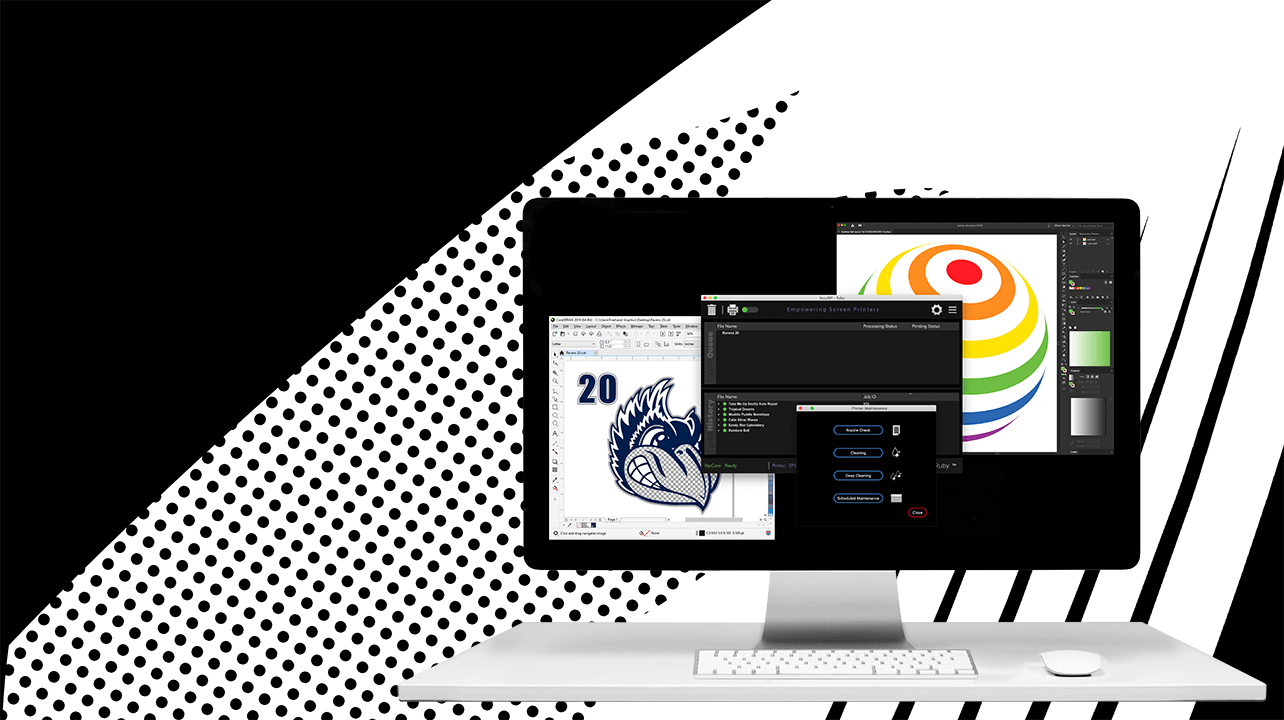
ColorBurst Port Monitor
ColorBurst can output to a Desktop printer for job management to allow for Mac Chooser and PC Network printing. Print jobs can be held, reordered, deleted, and reprinted.
CSE ColorTrack Color Management
Completely eliminates the dirty color/speckled effect from using ICC Profiles for CMYK type, tints, and graphics. ColorTrack allows pure colors of Cyan, Magenta, Yellow, Black, Red, Green, and Blue to be printed without contamination
Multiple input file formats
ColorBurst Pro offers full Postscript Language Level 1, 2, and 3 support for PS, EPS, and PDF files, including multi page files and JPEG compression. CMYK, RGB, Lab, and color-mapped TIFF files, including LZW compression, as well as Targa, Scitex Handshake CT, and RTL raster files are also supported. All file types can be placed together in a layout for printing.
Tiling
Make multi-panel prints with trim marks and image bleed. ColorBurst Pro offers increased control by allowing individual panel sizes. Tiling setup can be saved for reprinting individual panels.